Recycling and Sustainability for Gardeners West Norwood
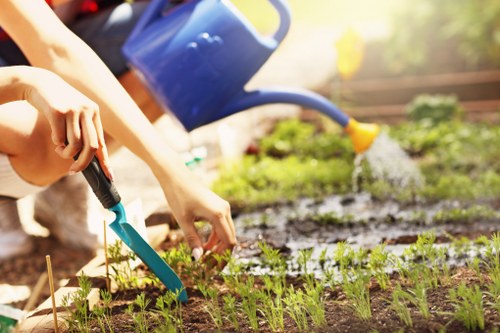 Gardeners West Norwood is committed to delivering greener outdoor care through practical recycling and sustainable working habits. In a busy part of South London, where streets, homes, schools, and shared gardens all generate mixed green waste, our approach is built around responsible disposal, low-impact operations, and measurable recycling performance. We aim to recycle 85% of the material collected from routine gardening work, helping reduce landfill use and supporting a cleaner local environment. By separating reusable green matter from general waste, we make sure the services provided by gardeners in West Norwood align with modern environmental expectations.
Our recycling process begins at the point of collection. Soil, branches, leaves, grass cuttings, and plant trimmings are sorted carefully so that as much as possible can be diverted into composting or specialist green waste processing. This is especially relevant in areas served by borough-level waste separation systems, where residents are increasingly familiar with splitting food waste, dry mixed recycling, garden waste, and residual rubbish into distinct streams. We support that same mindset in our own work, making sure that the recycling of garden materials complements the wider boroughs approach to waste separation.
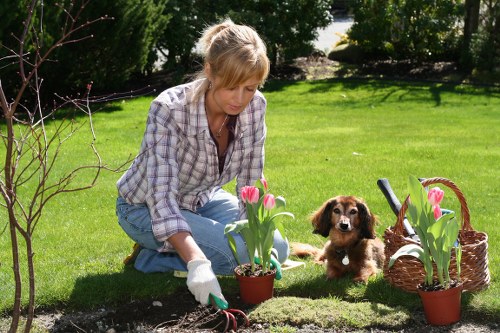 As part of our sustainability commitment, we use local transfer stations to keep waste handling efficient and reduce unnecessary travel. These facilities help gardeners West Norwood manage collected green waste in a structured way, so suitable material can be passed into the correct recycling or recovery route. By relying on nearby transfer points rather than longer journeys to distant disposal sites, we lower fuel use and improve scheduling. That means a more efficient service for clients and a smaller environmental footprint across every project.
Sustainable Practices in Everyday Garden Work
We also work closely with charities and community organisations that can make use of certain recovered items. For example, reusable pots, timber offcuts, and some decorative garden materials may be passed on where appropriate, rather than being thrown away. Partnerships with charities help extend the life of useful materials and contribute to local social value. In some cases, well-kept planters, hand tools, and surplus supplies can support community gardens, training projects, or donation schemes that benefit people across the wider boroughs. This collaborative model ensures our gardeners West Norwood service supports both environmental and community goals.
Recycling is not only about removing waste; it is about choosing better methods from the start. Wherever possible, we favour organic mulching, composting, and selective re-use of suitable green materials. Grass cuttings may be composted, leaves can be turned into nutrient-rich mulch, and pruned branches can be chipped for ground cover. These methods help improve soil quality while reducing the need to transport material away. They also reflect a circular approach to garden care, where one part of the job naturally becomes another useful resource.
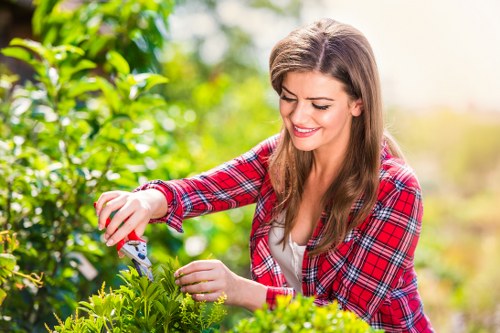 A major part of our sustainability strategy is the use of low-carbon vans. Our vehicles are selected and managed to reduce emissions through efficient routing, careful load planning, and ongoing attention to fuel performance. For gardeners West Norwood, this matters because travel between terraces, communal gardens, and larger residential sites can quickly add up. By using low-carbon vans, we reduce the environmental cost of moving equipment and green waste around the area. It is a simple but important step that supports cleaner air and a more responsible service model.
How Recycling Supports Local Green Spaces
Different neighbourhoods across South London have their own waste systems and recycling habits, and our work is shaped by that local context. In some streets, residents are used to strict separation of garden waste from general rubbish, while in others the focus is on sorting recyclable containers, paper, and food waste through borough collection schemes. We take care to reflect those expectations during every job, ensuring that our own waste handling remains consistent with local standards. This means greener outcomes for private gardens, shared courtyards, and small commercial landscapes alike.
We also pay attention to materials that can be reused more than once. Metal plant supports, untreated wood, and certain hard landscaping components are assessed carefully before disposal. When items can be repurposed, they are set aside for appropriate reuse pathways rather than sent directly into waste processing. The result is a more thoughtful, less wasteful method of working. For gardeners West Norwood, this approach helps maintain high environmental standards without compromising quality or efficiency.
Garden sustainability is strongest when every stage of the service is considered, from collection to transportation to final treatment. That is why our recycling percentage target is regularly reviewed, with the aim of increasing the proportion of recovered material each year. We want to keep improving how much we can compost, recycle, or pass on through charitable channels. The target of 85% is not just a figure; it is a practical benchmark that encourages better sorting, smarter logistics, and more responsible service delivery.
A Cleaner Future for West Norwood Gardens
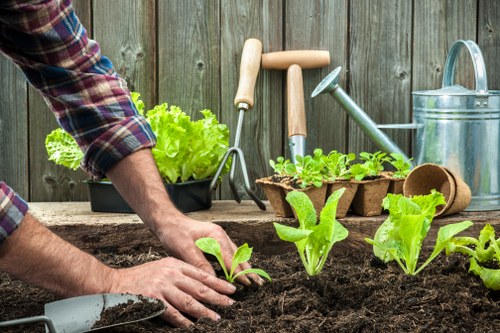 Our sustainability work also includes training and operational discipline. Teams are encouraged to separate waste carefully, check what can be recycled before loading, and choose the most efficient transport option for each route. These small decisions add up. In a densely populated area where access, parking, and time are all important, efficient environmental practice can make a real difference. By combining local knowledge with low-emission transport and robust recycling routines, gardeners West Norwood can deliver a service that feels modern, practical, and environmentally aware.
We believe sustainable gardening should support the local community as well as the landscape itself. That is why our work with charities, local recovery routes, and transfer stations is integrated into everyday operations rather than treated as an afterthought. Whether material is going into composting, reuse, or specialist recycling, the goal is always the same: keep useful resources in circulation for longer and reduce the volume of waste that needs final disposal.
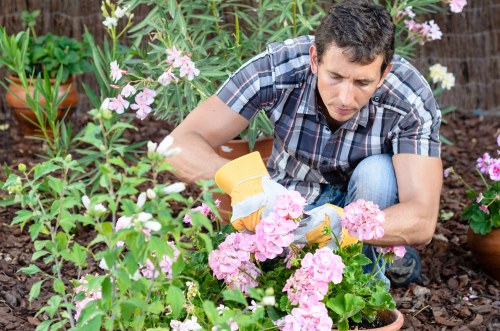 Looking ahead, our focus remains on strengthening circular practices, expanding useful partnerships, and improving the efficiency of every journey and collection. From borough-friendly waste separation habits to low-carbon vans and a clear recycling percentage target, the service is built around practical sustainability. For gardeners West Norwood, that means greener work, cleaner outcomes, and a stronger commitment to the places we help maintain every day.