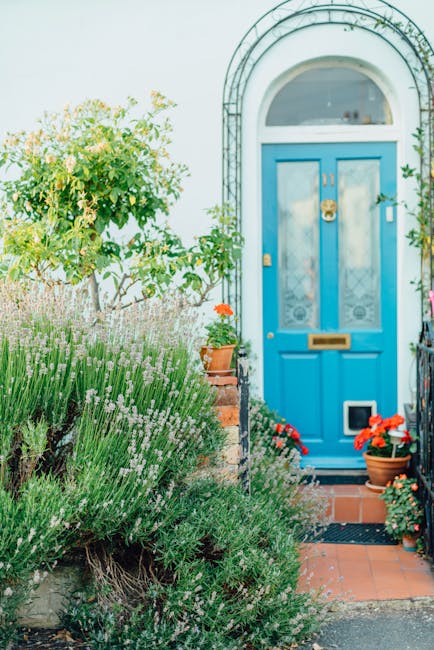
West Norwood Gardeners Guide to Norwood Road Front Gardens
If you live near Norwood Road, you already know the front garden has a big job to do. It is the first thing people see, the bit that frames the house, and often the difference between a home that feels cared for and one that feels a little tired. A good West Norwood gardeners guide to Norwood Road front gardens should help you make that space look welcoming without turning it into a maintenance headache. That is exactly what this article is for: practical, local, no-nonsense advice that works for real front gardens on a busy London road.
Front gardens here tend to deal with a mix of pressures: foot traffic, road dust, shade from nearby buildings, narrow plots, awkward boundaries, and the simple reality that most people do not want to spend every weekend fussing over them. So let's be honest, the best design is rarely the fanciest one. It is the one that looks good in February as well as June, and still feels manageable after a wet week or a windy one.
Below you will find a clear, step-by-step guide to planning, planting, and maintaining a front garden on Norwood Road, plus the common mistakes to avoid, useful service options, and a realistic checklist you can actually use.
Why West Norwood gardeners guide to Norwood Road front gardens Matters
Norwood Road front gardens are not just decorative. They shape kerb appeal, support drainage, soften hard architecture, and can make a property feel calmer the moment someone walks up to it. In a street where frontages vary from small paved spaces to greener, deeper plots, even a modest improvement can change the whole tone of a house.
There is also a practical side. Front gardens are exposed. They catch the weather first, and on a road like this they may also collect grime from passing traffic, windblown leaves, and the odd littered corner that keeps reappearing no matter how tidy you are. A smart layout reduces the constant little jobs. That matters more than people think.
For many homeowners, the front garden is also the easiest place to create order. The back garden might be for play, pets, or privacy, but the front is where structure counts. A crisp lawn edge, a compact hedge, a gravel or planting scheme that suits the space, and maybe a small seating spot if room allows - it all adds up.
Expert summary: the best Norwood Road front gardens are usually not the most elaborate. They are the ones that balance appearance, access, visibility, and low-maintenance planting with a layout that suits the house rather than fighting it.
How West Norwood gardeners guide to Norwood Road front gardens Works
The process starts with the site itself. Before you choose plants or materials, you need to understand how the space behaves. Does it get morning sun or full shade? Is the front boundary open to the road, or does it need screening? Is there a narrow path that must stay clear for bins, prams, or bicycles? These details decide everything else.
From there, a front garden usually works best in three layers:
- Structure: paths, edging, fences, hedges, low walls, gates, and any permanent hard landscaping.
- Planting: shrubs, perennials, small trees, climbers, lawn, ground cover, or containers.
- Maintenance rhythm: mowing, pruning, weeding, watering, cleaning, and seasonal tidy-ups.
In practice, that means designing for the site rather than forcing a style onto it. A classic cottage look may suit one house beautifully, while another needs a neat contemporary approach with hardier planting and a simpler layout. It is a bit like tailoring a coat. The cut matters.
If the garden needs deeper changes, services such as landscaping in West Norwood can help reshape levels, improve flow, or rebuild tired borders. If the space is already functional but needs steady upkeep, regular garden maintenance may be the better route. And if the frontage includes a lawn that keeps thinning or looking patchy, a proper lawn care service can make more difference than a quick mow ever will.
Key Benefits and Practical Advantages
A well-planned front garden pays you back in several ways, not all of them obvious at first glance.
- Better first impression: a tidy frontage makes the whole property feel looked after.
- Less ongoing work: low-maintenance planting and sensible materials reduce repeated chores.
- Improved privacy: carefully placed hedges or screening can soften views from the street.
- More usable space: a better layout makes narrow or awkward plots feel larger.
- Seasonal interest: thoughtful planting keeps the garden attractive beyond a brief summer peak.
- Safer access: clear paths, tidy edges, and well-managed growth reduce clutter and trip hazards.
There is also a subtle benefit that people notice once it is there: a calmer arrival at home. Open the front door to a front garden that looks ordered and you feel it. It sounds small, but it changes the daily experience of the house.
For people who rent, manage a property, or are thinking about selling, the benefit is even more straightforward. Front gardens often shape how people judge care and upkeep before they have stepped inside. Harsh, but true.
Who This Is For and When It Makes Sense
This guide is useful if you are a homeowner trying to make the front of your house more welcoming, but it also fits landlords, new buyers, and anyone who has inherited an overgrown or under-loved frontage and does not know where to begin.
It makes sense to act when:
- the garden looks cluttered or patchy from the street;
- plants are getting too large for the space;
- the lawn is struggling because of shade or heavy use;
- the boundary feels exposed and needs screening;
- you want a lower-maintenance garden that still looks neat;
- paths, steps, or edges need renewing for safer access.
Some people only need a seasonal tidy and a few structural tweaks. Others need a more serious reset, especially if the garden has been neglected for years. If yours is at that "where do we even start?" stage, you are not alone. A lot of front gardens become a little chaotic slowly, then suddenly all at once. One season the ivy is manageable, the next it is auditioning for a jungle documentary.
For a complete rethink, a larger-scale service such as gardening services in West Norwood may be the easiest way to handle planting, pruning, clearing, and finishing in one go. If the mess includes stubborn climbers or woody overgrowth near trees, tree surgery support can be the safer option for larger work.
Step-by-Step Guidance
1. Measure the front garden properly
Start with the boring bit. Measure the width, depth, and any narrow or irregular corners. Note where the door opens, where the bins sit, and how people actually move through the space. A front garden should not force awkward squeezing past shrubs every time you leave the house.
2. Map sun, shade, and exposure
Watch the space at different times of day. Front gardens on or near busy streets can be windier than you expect, and shaded spots are common where buildings face each other closely. Plants that look gorgeous in a sunny magazine garden may sulk here. A lot.
3. Decide the job of the garden
Ask one simple question: what is this garden meant to do? Is it mainly decorative, mainly functional, or a balance of both? If privacy matters most, you may want hedging or fencing. If access matters more, keep the planting low and the path clear. If you want elegance with less maintenance, ground cover and containers may beat a lawn.
4. Sort the hard landscaping first
Get the permanent features right before thinking about flowers. Edging, paving, steps, fencing, and gates define the whole feel of the space. A tired path or shaky boundary can make even beautiful planting look unfinished. If the front garden includes a patio area, a good clean can brighten the whole frontage; services like patio cleaning are often a worthwhile finishing touch.
5. Choose plants that suit London front gardens
Prioritise plants that cope well with exposure, occasional dryness, and some neglect between visits. Evergreen shrubs provide year-round shape. Ground cover can suppress weeds. Container planting adds flexibility for small spaces. If you are after screening, it helps to plan the hedge carefully rather than letting it become a wall of regret. For ideas, the guide on fast-growing hedges is useful background reading.
6. Build in low-maintenance detail
Use mulch, edging, and planting density to reduce weeds. Keep plant choices disciplined. Five good plants repeated well usually look better than ten different ones fighting for attention. And yes, repetition can be elegant. A little rhythm in a front garden goes a long way.
7. Set a simple maintenance schedule
The best front gardens are not the ones with the most complex design. They are the ones with a routine. Mow, trim, deadhead, sweep, water, and inspect borders before small issues become bigger ones. Regular lawn mowing keeps a frontage crisp, while professional hedge trimming helps boundaries stay neat without getting lopsided.
Expert Tips for Better Results
After working through a lot of front gardens, a few patterns become obvious. Small decisions matter more than dramatic ones.
- Keep one strong visual line. A straight edge, repeated planter style, or clean hedge line helps a small front garden feel calmer.
- Use fewer plant types. A restrained palette is easier to maintain and usually looks smarter from the street.
- Choose containers with purpose. One or two large pots look better than a scatter of tiny ones that end up everywhere.
- Think all-year, not just summer. Front gardens need structure in winter, when bare stems and wet paving are doing most of the work.
- Do not block sightlines. If you have windows overlooking the street, low planting near the front is often better than tall, bulky shrubs.
If your frontage is particularly exposed, it helps to think about wind as a design factor rather than an annoyance. A little shelter can improve plant survival and reduce damage. The article on making wind work in the garden gives a good sense of how to approach this.
And if the garden faces a darker aspect, do not fight it with plants that need full sun. Use texture, evergreen structure, shade-tolerant planting, or even vertical elements. The guide to evergreen climbers for shade is a sensible place to start.
Common Mistakes to Avoid
Front gardens are often ruined by good intentions. A bit harsh, but there it is.
- Overplanting. Too many plants make the garden look crowded and increase upkeep.
- Ignoring access. A pretty layout that blocks bins, prams, or the front door is not a good layout.
- Letting hedges run wild. Once a hedge becomes too large, cutting it back can leave gaps and stress the plant.
- Using delicate plants in exposed spots. They may survive in theory, but not thrive.
- Leaving the soil bare. Bare soil invites weeds, drying, and a general sense of incompletion.
- Choosing surfaces that show every bit of dirt. If your frontage is close to the road, think about upkeep, not just appearance on day one.
One common miss is forgetting that a front garden is seen in all seasons and all weather. A design that only works when it is sunny is not really finished. Truth be told, London gives you plenty of grey days to test a garden's discipline.
If weeds, ivy, or self-seeded growth are taking over, do not just keep trimming the top. You may need a clearer removal plan. The article on removing ivy permanently is useful if that is part of the problem.
Tools, Resources and Recommendations
You do not need a van full of equipment to keep a front garden looking good, but a small kit makes life easier.
- Hand shears and secateurs: for shaping small shrubs and tidying edges.
- Leaf rake or broom: helpful for keeping paths and paving clear.
- Spade and border fork: useful for planting, lifting, and improving soil.
- Hose or watering can: containers dry out quickly, even when the rest of the garden looks damp.
- Mulch or bark: helps with moisture retention and weed suppression.
- Basic measuring tape: invaluable for planning borders and paths properly.
For anyone starting from scratch, a few supporting guides can help you make better decisions without overcomplicating things. The article on essential gardening tools is a simple reference point, while low-maintenance gardening ideas can help if you want beauty without endless upkeep.
If you are building a planted frontage around smaller spaces or awkward spots, container work may be the answer. The guide on thriving container gardens is especially handy for compact frontages and paved areas.
Law, Compliance, Standards, or Best Practice
Most front garden work is straightforward, but there are a few sensible checks to keep in mind. If you are adding or replacing a boundary, make sure the new height and style suit the property and do not create avoidable disputes with neighbours. If trees are involved, pruning or removal should be handled carefully, especially where roots, branches, or preservation issues may be a factor. A responsible approach is always better than a rushed one.
It is also wise to think about visibility near the road or driveway. Front gardens should not create hazards for people stepping out, reversing, or passing by. Keep planting back from paths and drive access. If you are unsure about larger tree or hedge work, use a professional who understands safe pruning practice rather than treating it as a Saturday DIY adventure. That usually ends with more coffee breaks than progress.
In general, good practice means:
- keeping paths clear and level where possible;
- avoiding overgrown vegetation that blocks sightlines;
- using materials that suit the exposure and use of the site;
- maintaining fences, gates, and boundaries before they fail;
- checking before major structural changes if the work could affect neighbours or shared boundaries.
If the front of the property needs a stronger boundary solution, fencing services can be part of a practical redesign, especially where privacy or containment matters. And if a tall hedge needs regular shaping, professional hedge trimming in West Norwood keeps it tidy without turning it into a patchy afterthought.
Options, Methods, or Comparison Table
There is no single best way to design a front garden on Norwood Road. The right choice depends on how much time you want to spend maintaining it, how much privacy you need, and whether the priority is softness, structure, or practicality.
| Approach | Best for | Maintenance level | Main strength | Possible drawback |
|---|---|---|---|---|
| Lawn-focused frontage | Homes with enough light and space | Medium to high | Classic, open look | Needs regular mowing and care |
| Mixed planting border | Most family homes | Medium | Flexible and attractive year-round | Can become busy if overcrowded |
| Gravel or paved front garden | Very small or shaded spaces | Low | Easy access and cleaner appearance | Needs careful design to avoid feeling hard |
| Hedge and screen layout | Privacy-conscious households | Medium | Softens the street view | Requires trimming and monitoring |
| Container-led design | Compact or awkward front gardens | Low to medium | Adaptable and visually neat | Containers dry out faster |
If you are unsure which route fits best, mixed planting tends to be the safest middle ground. It gives you seasonal interest without locking you into a high-maintenance lawn or a very hard-edged scheme. For many Norwood Road homes, that balance is exactly right.
Case Study or Real-World Example
Consider a typical terrace-style frontage near Norwood Road: a narrow paved path, a small patch of tired lawn, an overgrown shrub by the window, and a boundary that feels visually heavy. The owners wanted the space to look better from the street without turning it into a full weekend project every week.
The solution was simple rather than dramatic. The shrub was reduced and reshaped, the path edges were cleaned up, and the lawn was trimmed back into a smaller, neater shape. A pair of large containers were added near the entrance for seasonal colour, and a low, hardy border plant was used to soften the hard edge of the paving. The result was not flashy, but it worked. The front of the house looked brighter and more intentional, and the upkeep became manageable.
That is the lesson, really. Most front gardens do not need a grand design. They need better proportion, cleaner lines, and plants that suit the space. A small improvement done well beats a big idea done badly. Every time.
Practical Checklist
Use this as a quick pre-visit or pre-project check.
- Have I measured the space and noted access points?
- Do I know how much sun, shade, and wind the garden gets?
- Is the current layout helping or blocking daily movement?
- Are the boundaries, fence panels, or hedges in good condition?
- Do the plants suit a front-facing London setting?
- Is there enough structure for the garden to look good in winter?
- Have I allowed for easy mowing, pruning, and sweeping?
- Would containers or ground cover reduce maintenance?
- Are there any trees, roots, or dense shrubs that need professional attention?
- Do I have a clear maintenance plan for spring, summer, autumn, and winter?
If you can tick most of those off, you are already ahead of the game. And if not, that is fine too. Better to spot the issues now than after the planting is in.
Conclusion
A strong front garden on Norwood Road is not about chasing perfection. It is about making a space that feels tidy, resilient, and suited to how you live. When you get the structure right, choose the right plants, and keep the maintenance realistic, the whole house benefits. The entrance feels calmer. The street presence improves. The day-to-day upkeep becomes easier instead of nagging at you.
Whether you are refreshing a small frontage, dealing with overgrown hedges, or planning a full redesign, the best results usually come from clear priorities and a practical hand. Start with the basics, build slowly, and do not overcomplicate it. Front gardens reward restraint more than drama, which is nice, frankly, because most of us have enough drama already.
If you want to turn an awkward or tired frontage into something cleaner, greener, and easier to live with, now is a very good time to take the next step.
Get a free quote today and see how much you can save.
Sometimes the smallest changes at the front of the house make the biggest difference. That little stretch of green, stone, and planting can set the mood before you even turn the key.
Frequently Asked Questions
What makes a good front garden on Norwood Road?
A good front garden here usually combines clear access, tidy boundaries, and planting that can cope with exposure, shade, or limited space. It should look attractive without needing constant attention.
How often should a front garden be maintained?
Most front gardens benefit from light weekly or fortnightly attention during the growing season, plus seasonal tidy-ups. A little regular work is easier than a big rescue job later.
Is a lawn a good idea for a front garden?
Sometimes, yes. But if the space is shaded, narrow, or heavily used, a lawn may struggle. In those cases, ground cover, borders, or containers can be more practical.
What are the best low-maintenance plants for a front garden?
Evergreen shrubs, tough perennials, ground cover, and well-chosen containers tend to work well. The key is choosing plants that fit the light levels and exposure of the site.
Can a small front garden still look impressive?
Absolutely. Small spaces often look best when they are simple, well-edged, and not overcrowded. A few strong features are usually better than lots of little ones.
Should I use hedges or fencing for the front boundary?
It depends on whether you want a softer or firmer look. Hedges create a greener feel, while fencing gives sharper structure and can be easier to define. Many homes use a mix of both.
What should I do if ivy or weeds are taking over?
Start with proper removal rather than repeated trimming. Weeds and ivy can return quickly if the roots are left behind, so clearing and follow-up care matter.
Do front gardens need to match the house style?
They do not need to match exactly, but they should feel in keeping with the property. A front garden that supports the house style will usually look more natural and balanced.
Can I add containers if I do not have much soil space?
Yes, and they are often a very good solution for paved or compact front gardens. Just remember that containers dry out faster and need a bit more watching in hot or windy spells.
When should I call in a professional gardener?
If the space is overgrown, awkwardly shaped, requires boundary work, or needs a full redesign, professional help can save time and avoid mistakes. It is especially useful when the front garden needs both clearing and reshaping.
How do I keep a front garden looking good in winter?
Focus on evergreen structure, clean edges, and hard landscaping that still looks neat when plants die back. Winter interest matters more than many people expect.
What is the biggest mistake people make with front gardens?
The biggest mistake is usually trying to fit too much into too small a space. Once the frontage feels crowded, maintenance gets harder and the whole thing can look stressed. Keeping it simpler often makes it better.