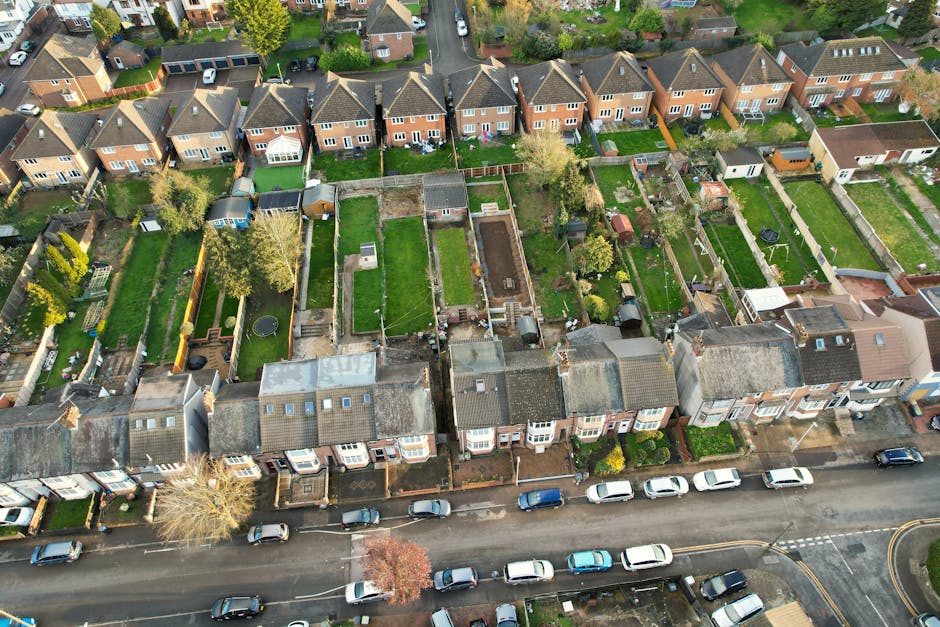
Tulse Hill estate gardening services and community tips
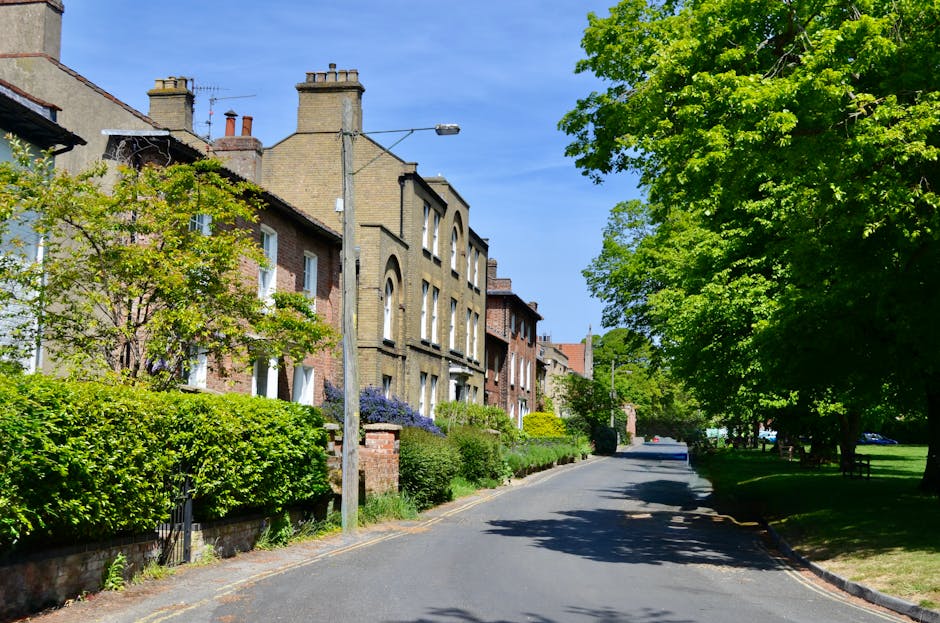
If you live on, manage, or look after a shared outdoor space in Tulse Hill, you already know the rhythm of it: one week the beds look tidy, the next week the lawn edges have softened, the hedge is leaning, and somebody has left a bike in the middle of the path. That is exactly where Tulse Hill estate gardening services and community tips become genuinely useful. They help keep communal gardens neat, safe, and welcoming without turning every small problem into a big weekend job.
In an estate setting, garden care is never just about plants. It is about shared pride, clear walkways, sensible maintenance, and making the outside space feel like part of home. Done well, it can reduce complaints, improve how a block feels, and make everyday life a bit calmer. Truth be told, that matters more than people think.
Below, you will find a practical guide to how estate gardening tends to work, what services are usually worth prioritising, and the community habits that keep things running smoothly through the seasons. There is also a straightforward checklist, a comparison table, and a few real-world examples so you can judge what makes sense for your own estate.
Why Tulse Hill estate gardening services and community tips Matters
Shared gardens age differently from private ones. They get more foot traffic, more mixed use, and more opinions too. One resident wants low maintenance, another wants colour, another wants privacy, and someone else just wants the bins hidden and the weeds gone. Estate gardening brings those needs together into a workable plan.
That is especially important in a place like Tulse Hill, where communal outdoor areas often have to do a lot of jobs at once: softening hard edges, marking boundaries, keeping entrances tidy, and giving residents somewhere pleasant to look at on a wet Tuesday in November. A well-kept estate garden does not just "look nicer". It can improve access, reduce trip hazards, and make the whole site feel more cared for.
Community tips matter for the same reason. Gardeners can cut and clear, but residents still shape how the space behaves day to day. If people know where to put green waste, how to avoid trampling borders, and when to report a blocked drain or broken fence panel, maintenance becomes simpler and less reactive. That small layer of cooperation saves a surprising amount of effort.
Expert summary: The best estate gardens are not necessarily the most elaborate ones. They are the ones with clear routines, sensible planting choices, and residents who understand that shared space needs shared habits.
There is also a social side. A tidy courtyard or frontage often becomes a small point of pride. People notice the herb bed in spring, the hedge shape in summer, or the winter structure that still gives the site character. Those details help a block feel less anonymous. And in community settings, that is no small thing.
How Tulse Hill estate gardening services and community tips Works
Estate gardening usually works as a repeatable system rather than a one-off visit. The service provider visits on a scheduled basis, carries out agreed tasks, and flags up anything that needs attention beyond routine care. The exact package depends on the estate, but the structure is often similar.
A typical approach may include lawn mowing, hedge trimming, border maintenance, weed control, pruning, leaf clearance, and seasonal tidy-ups. If the space has hard landscaping, patios, or decked areas, those may need periodic cleaning and inspection too. For larger sites, tree work or fencing repairs may be folded in where necessary, often through a broader maintenance plan. You can see how those needs fit together by looking at routine garden maintenance support, regular lawn mowing, and precision hedge trimming.
Community tips work alongside the contractor's schedule. For instance, residents can be asked to keep bikes off planted edges, avoid leaving planters in pathways, and report fast-growing ivy before it reaches fences or walls. It sounds obvious, but a lot of the headaches in shared gardens begin as tiny habits that nobody wants to mention. Then suddenly the shrub bed is flattened and everyone is cross.
Another practical point: estate gardening is often better when there is a clear point of contact. That might be the managing agent, a residents' committee, or a designated volunteer. Without one, instructions get muddled. One resident asks for rose pruning, another wants the front lawn left longer, and the gardener is left trying to read the room while holding a rake. Not ideal.
For more substantial outdoor changes, such as reworking entrances, improving movement through the site, or adding structure to underused corners, it can help to bring in a wider landscaping service. If the problem is not just upkeep but the whole feel of the space, landscaping can make the maintenance plan easier long term.
Key Benefits and Practical Advantages
There are a few clear reasons estate gardening pays for itself in everyday value, even if nobody is writing glossy before-and-after posts about it.
- Cleaner communal appearance: Neat borders, cut grass, and trimmed hedges make an estate feel more looked after.
- Safer access: Reduced moss, overgrowth, loose debris, and blocked paths lower the risk of slips and awkward trips.
- Better plant health: Regular maintenance stops problems from snowballing, which is especially useful in mixed planting schemes.
- Less resident conflict: Agreed routines reduce arguments about who should do what and when.
- Improved privacy and screening: Well-managed hedges and boundary planting can soften sightlines without making the site feel boxed in.
- More seasonal interest: With the right plants, the garden can still feel alive in winter, not just in May.
There are practical advantages too. A maintained estate tends to be easier to budget for because work is planned rather than emergency-led. Reactive call-outs, after all, are rarely the cheaper option. And once a garden gets neglected for a season, you often end up paying more for catch-up work than for steady care.
If your estate has lawned areas that wear quickly, a consistent lawn care plan can make a real difference. Healthy turf is much more forgiving than tired turf, and it tends to recover better after heavy use, bad weather, or that inevitable patch where children keep playing football near the same spot.
Another underrated benefit is morale. A shared garden can be one of the few places in an estate where neighbours nod, talk briefly, or simply enjoy the same view. A tidy, usable outside space supports that naturally. It is a small thing, maybe, but it adds up.
Who This Is For and When It Makes Sense
This topic is relevant to a lot of people, not just housing managers. If you are wondering whether professional support is justified, think about the way the space is used rather than just how it looks today.
- Residents' associations managing communal gardens or frontages
- Property managers
- Block landlords
- Housing associations balancing upkeep with community expectations
- Resident volunteers who need a realistic plan rather than endless ad hoc jobs
- New residents wanting to understand how the estate garden is maintained
It makes sense when the work has become too large for informal effort, or when the same problems keep coming back. For example: weeds reappearing in paved gaps, hedges growing unevenly, leaves building up in shared corners, or shrubs blocking sightlines near entrances. In those cases, consistent gardening support is less of a luxury and more of a sensible reset.
It also makes sense if the estate is trying to improve how the outside space feels without launching into a major redevelopment. Sometimes the quickest win is not a full redesign. It is simply getting the routine right, then making a few good planting decisions. For deeper structural changes, though, services like fencing repairs and installation or patio cleaning may be part of the picture.
And yes, some estates genuinely only need a light touch. If your site is compact, low traffic, and mostly easy to maintain, a lighter maintenance agreement plus a sensible resident routine may be enough. No need to overcomplicate things.
Step-by-Step Guidance
If you are planning estate gardening support for the first time, or refreshing an existing arrangement, the process is easier when you break it down.
- Walk the site properly. Look at entrances, paths, bins, hedges, lawns, beds, fences, and any hidden corners where weeds or litter collect.
- List the recurring jobs. Mowing, pruning, hedge trimming, leaf clearance, weed control, planting refreshes, and seasonal tidies are the usual suspects.
- Separate routine care from repair work. Maintenance is one thing; tree work, fencing, or landscaping upgrades are another. That keeps quotations clearer and avoids scope creep.
- Agree who decides what. A single point of contact saves time and avoids mixed instructions.
- Set priorities by visibility and risk. Entrances, paths, stairs, and sightlines usually come before decorative details.
- Choose a realistic frequency. Weekly, fortnightly, or monthly visits depend on how fast the space changes and how much use it gets.
- Build in seasonal tasks. Spring tidy-ups, summer growth control, autumn leaf clearance, and winter resilience work all matter.
- Share simple resident guidance. Keep borders clear, avoid parking plant pots in walkways, and report damage quickly.
That process sounds formal, but in real life it can be pretty straightforward. A brief site walk with notes and photographs often reveals more than a long meeting. Then a maintenance plan can be built around what is actually happening, not what everyone remembers happening in April.
Where hedges form a big visual or privacy feature, it is often worth pairing the plan with a dedicated guide to hedge trimming shapes and techniques. That is especially useful when residents want screening without the shrubs becoming a wall of green chaos. We have all seen that, and nobody misses it.
For estates with underused corners, a thoughtful planting strategy can help. Ground cover, shade-tolerant climbers, and container planting can soften awkward areas without making them high maintenance. If you want ideas, the article on low-growing ground covers and vertical gardening can be surprisingly practical for shared spaces.
Expert Tips for Better Results
Small decisions make a big difference in communal garden work. Here are the ones that tend to matter most.
- Use planting that can cope with mixed conditions. Estates often have shade, reflection, wind, dry pockets, and heavy foot traffic all in one site.
- Keep paths and entrances boring in the best way. Clear, uncluttered access is a win. Decorative planting belongs just outside the traffic line.
- Do not fight the site's natural behaviour. If one bed dries out quickly or a corner gets blasted by wind, choose plants that suit those conditions rather than insisting on something delicate.
- Leave a little structure for winter. Seed heads, evergreen shrubs, and tidy hard edges can keep the garden from feeling stripped bare in February.
- Weed early, not heroically. Small weeds are a ten-minute job. Big weeds become a morale test.
- Protect the soil. Mulch, compost, and light feeding help beds recover after the growing season.
If the estate has a lot of exposure, the advice in harnessing wind in the garden may be useful. Wind is not always the enemy; sometimes it simply tells you where the delicate bits should not go. A bit of common sense saves plants from unnecessary stress.
For residents who want edible planting as part of the communal scheme, herbs are an easy and satisfying choice. A small shared herb bed can work well near a sunny entrance or courtyard, provided somebody keeps an eye on watering and cutting. The herb garden blueprint is a handy reference if you want something practical and not too fussy.
And if the site has a lot of paving, it is wise to keep on top of moss and grime. It looks minor until someone slips on it, and then everyone suddenly remembers how slippery it always was. Funny how that works. A periodic patio clean helps keep those surfaces usable and a bit safer underfoot.
Common Mistakes to Avoid
Most estate gardening problems are not dramatic. They are just repeated small oversights. The good news is that they are easy enough to avoid once you know what to watch for.
- Only reacting when the space looks bad. By then, the work is harder and more expensive.
- Assuming everyone has the same idea of "tidy". Shared spaces need agreed standards, not vague expectations.
- Choosing plants for appearance only. Pretty planting that fails in the site's conditions is a false economy.
- Ignoring boundaries and access points. Hedges, fences, and entrances shape how the whole estate feels.
- Letting one-off clutter become permanent clutter. Old pots, broken trellis, and leftover materials have a habit of staying forever if nobody claims them.
- Trying to do too much with volunteers alone. Goodwill is helpful; it is not a maintenance plan.
Another common issue is underestimating how quickly vegetation grows in sheltered pockets. A hedge that looked fine in May can be heavy by July. A path edge can disappear under self-seeded growth in a matter of weeks. If you want those areas kept under control, scheduled support such as hedge trimming services or broader gardening services keeps things predictable.
And please, do not forget the practical finish. A space can be lush but still feel neglected if edges are ragged, bins are screened badly, or broken planters are left in place. That is the sort of detail people notice on the way in and out, even if they never say it aloud.
Tools, Resources and Recommendations
You do not need a shed full of specialist kit to run a sensible estate garden, but the right basics make maintenance much smoother.
| Need | Useful approach | Why it helps |
|---|---|---|
| Regular grass care | Simple mowing schedule plus seasonal feeding and edging | Keeps lawns even, healthier, and easier to maintain |
| Boundary control | Purposeful hedge trimming and periodic woody growth checks | Improves privacy, light, and access |
| Shared surface care | Pressure-aware cleaning and moss removal where suitable | Helps paths and patios stay safe and presentable |
| Plant resilience | Mulch, compost, drought-tolerant planting, and winter protection | Reduces plant loss and replacement costs |
| Site organisation | Labels, agreed storage points, and a simple reporting process | Stops confusion and tidy-up drift |
For estates that need a broader reset, it can help to combine regular care with more targeted work. For example, if the layout feels cramped or inefficient, landscaping support can improve flow. If the boundary line is tired or damaged, the estate may need fencing work as part of the wider plan. And if mature trees are casting too much shade or causing concern, tree surgery may be the right next step.
For less intensive inspiration, the site also has useful ideas for low-maintenance choices such as budget-savvy low-maintenance gardening, container gardens, and turning waste into soil. Those are helpful if the estate is trying to stretch value without sacrificing quality.
Law, Compliance, Standards, or Best Practice
With estate gardening, the main compliance concerns are usually practical rather than dramatic. You are mainly looking at access, safety, noise, waste handling, neighbour considerations, and the responsibility to keep communal areas reasonably maintained. If a site has resident-managed spaces, it is sensible to keep records of agreed work and any recurring hazards, even if they are just simple notes.
In the UK, it is also wise to think carefully about tree work, access routes, and overgrown vegetation near footpaths or shared structures. For larger or riskier jobs, qualified professionals are the safer choice. That is especially true where mature trees, unstable branches, or boundary disputes are involved. A cautious approach is usually the right one, and there is no prize for doing something the hard way.
For shared spaces, best practice usually includes:
- keeping paths free of trip hazards
- disposing of green waste responsibly
- avoiding damage to neighbouring properties
- agreeing responsibilities before work begins
- using proportionate care around wildlife and nesting seasons
It is also sensible to respect privacy and quiet enjoyment. Residents do not always want heavy work happening at awkward hours, and they do not want surprise access through private sections of the estate. Clear communication avoids a lot of friction.
If you are unsure how to organise ongoing support, a direct enquiry through the contact page is the simplest route. Just make sure the brief includes the size of the site, the current condition, and the jobs that matter most. That makes the first conversation far more productive.
Options, Methods, or Comparison Table
Different estates need different levels of support. Here is a useful way to compare the usual options without overthinking it.
| Approach | Best for | Pros | Trade-offs |
|---|---|---|---|
| Volunteer-led care | Small, motivated resident groups | Low direct cost, strong community ownership | Can be inconsistent, depends heavily on a few people |
| Basic scheduled maintenance | Most estates with regular upkeep needs | Predictable, tidy results, easier budgeting | Less flexibility for one-off projects |
| Maintenance plus landscaping | Sites needing both care and improvement | Better long-term layout, more polished finish | Higher upfront commitment |
| Reactive call-outs only | Very low-use or temporary arrangements | Only pay when something is visibly wrong | Problems build up, often cost more later |
For most Tulse Hill estates, the middle ground tends to work best: regular maintenance, with occasional improvements where the site genuinely needs them. In other words, keep the machine tuned instead of waiting for it to rattle itself apart. That approach is usually calmer, cheaper, and less stressful for everyone involved.
Case Study or Real-World Example
Imagine a small estate with a front lawn, two shrub beds, one hedge-lined edge, and a paved communal entrance. For a while, residents have been doing bits and pieces themselves. One person cuts back ivy. Another sweeps leaves. Someone else waters the planters when they remember. Nothing terrible, but nothing consistent either.
By late summer, the hedge has lost its shape, weeds have pushed through the paving joints, and the entrance looks shabby even though the plants are healthy enough. People start to complain that the place feels uncared for. Not a disaster, just one of those slow drifts that happens when everyone assumes someone else will handle it.
A sensible maintenance plan resets the site. The lawn gets cut on a regular cycle, the hedge is trimmed properly, the beds are weeded and mulched, and the entrance is cleaned. A small group of residents agrees to keep the path clear and report issues quickly. The change is not magical. It is just steady.
Within a few visits, the space feels more intentional. The edges read clearly again. The entrance looks like part of a home rather than a forgotten leftover. And perhaps most importantly, residents stop arguing about the garden quite so much. That alone is worth something.
If that estate later decides to improve screening near the boundary, a layered approach using planting and possibly fast-growing hedges for privacy could make sense. If shady corners are the issue instead, evergreen climbers for shade may be the more practical answer.
Practical Checklist
Use this as a quick monthly or seasonal sanity check for estate garden care.
- Are paths, steps, and entrances clear?
- Are lawns trimmed to an even, healthy standard?
- Do hedges need shaping or height control?
- Are borders free of obvious weeds and litter?
- Is there dead growth, storm damage, or broken planting supports?
- Do fences, gates, and screening still function properly?
- Are patio and paved areas safe and presentable?
- Is the planting suited to the amount of shade, wind, and traffic?
- Have seasonal tasks been booked before the weather turns?
- Do residents know how to report issues and who to contact?
If most of those answers are drifting into "not really", the site probably needs a more formal maintenance rhythm. That is common. No shame in it. The sooner it gets addressed, the easier it is to turn around.
Conclusion
Tulse Hill estate gardening services and community tips are really about making shared outdoor space work in real life. Not perfectly. Just well enough to feel cared for, safe, and pleasant to use. A good maintenance routine, sensible planting, and a few resident habits can transform the day-to-day experience of an estate without turning it into a grand project.
The best results usually come from simple habits done consistently: regular mowing, timely hedge trimming, clear access routes, thoughtful planting, and open communication. Add a bit of seasonal planning and a realistic understanding of what the site needs, and you have a garden that supports the people living around it rather than constantly demanding attention.
If your communal space is getting harder to manage, or if you want a cleaner, calmer outside area without guesswork, the next step is straightforward.
Get a free quote today and see how much you can save.
And if you take one thing away from this guide, let it be this: shared gardens thrive when people treat them like part of the home. Small care, repeated often, makes a bigger difference than a burst of effort once a year. That is the real trick.
Frequently Asked Questions
What do Tulse Hill estate gardening services usually include?
They usually cover regular maintenance such as lawn mowing, hedge trimming, weeding, pruning, leaf clearance, border care, and seasonal tidy-ups. Some estates also need patio cleaning, fencing repairs, landscaping updates, or tree-related work.
How often should communal gardens be maintained?
It depends on the site, but many estates benefit from weekly or fortnightly visits during the growing season and less frequent checks in quieter months. High-traffic areas usually need more regular attention than small decorative beds.
Can residents help with community garden upkeep?
Yes, and that often works best when residents help with simple, agreed tasks like reporting problems, keeping paths clear, or watering shared containers. The key is to support the maintenance plan, not replace it with ad hoc effort.
What is the biggest mistake estates make with garden care?
Leaving maintenance until the space looks visibly tired. By then, weeds are established, hedges are harder to shape, and small issues have become bigger jobs. Consistency is much easier than catch-up work.
Is landscaping worth it for an existing estate garden?
It can be, especially if the current layout makes maintenance awkward or if the space feels underused. Landscaping can improve access, soften hard edges, and make routine care easier long term.
How do I know whether I need lawn care or just mowing?
If the grass only needs cutting, mowing may be enough. If it looks thin, patchy, mossy, or generally tired, a lawn care plan is usually more helpful because it addresses the health of the turf as well as the height.
What should I do about overgrown hedges on a shared estate?
Start with a proper trim and then move to a maintenance schedule so they do not get away again. Hedges can change quickly, so regular shaping is usually better than one severe cut after months of neglect.
Are patio cleaning services useful for communal spaces?
Yes. Patios and paved areas collect grime, moss, and algae, especially in shaded or damp spots. Cleaning helps with appearance and can make surfaces less slippery underfoot.
How do estates handle tree issues safely?
Tree problems are usually best assessed by experienced professionals, especially if branches are large, the tree is mature, or there are signs of instability. A cautious approach is sensible because tree work can carry risk.
What are the best low-maintenance planting ideas for shared gardens?
Ground covers, hardy shrubs, evergreen structure, and selected container planting are often good options. The best choice depends on light, wind, foot traffic, and how much time the estate has for care.
How can residents reduce garden-related complaints?
Clear communication helps a lot. Agree the maintenance schedule, explain who is responsible for what, and keep residents informed before major work. Many complaints start because people were surprised, not because they disagreed with the work itself.
How do I get started if the estate garden is already in poor condition?
Begin with a site walk, a realistic list of priorities, and a reset plan that covers immediate safety issues first. From there, you can move into routine maintenance and gradual improvement. That way, the space becomes manageable again without overwhelming everyone.