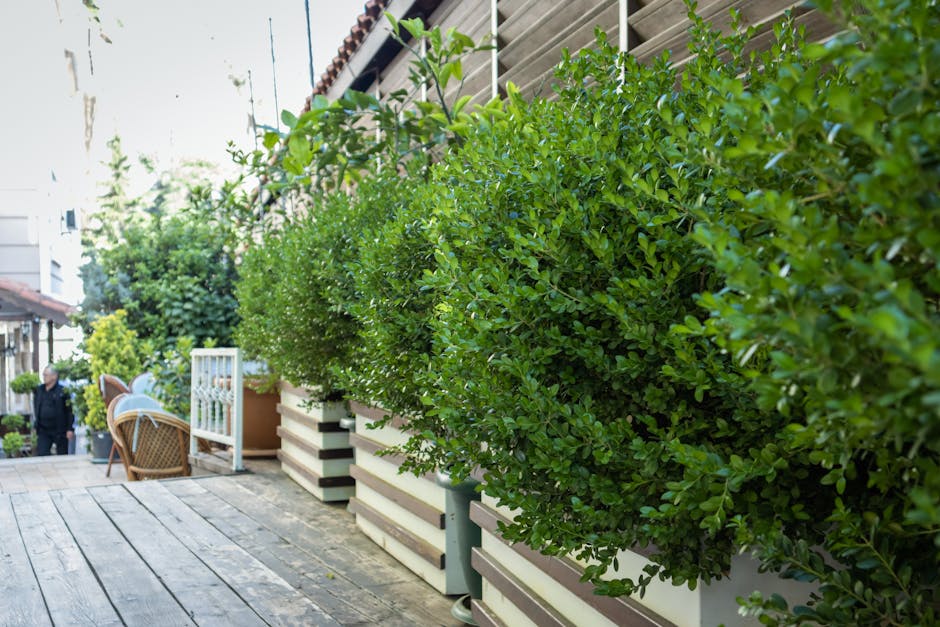
SE27 Gardening Services for Small Terraces on Knights Hill: Practical Ideas for Compact Outdoor Spaces
If you live on Knights Hill, you already know the charm of a small terrace can be a bit of a double-edged sword. It feels intimate, useful, and easy to enjoy, but it can also turn cluttered fast. Pots multiply. Shade creeps in. A narrow walkway becomes a dumping ground for tools, bike wheels, and the odd soggy cushion. That is where SE27 gardening services for small terraces on Knights Hill really earn their keep: not by trying to make a tiny space behave like a country garden, but by shaping it into something calm, tidy, and genuinely usable.
This guide explains how compact terrace gardening works, what a good local service should focus on, and how to avoid the common mistakes that waste time and money. It is written for people who want a terrace that feels lighter, greener, and easier to manage without losing the practical realities of London life. Let's face it, nobody wants a beautiful garden that becomes a second job.
Along the way, you will find useful ideas on planting, maintenance, layout, privacy, surface cleaning, and the small design choices that make a tiny outdoor space feel bigger than it is.
Table of Contents
- Why SE27 gardening services for small terraces on Knights Hill Matters
- How SE27 gardening services for small terraces on Knights Hill Works
- Key Benefits and Practical Advantages
- Who This Is For and When It Makes Sense
- Step-by-Step Guidance
- Expert Tips for Better Results
- Common Mistakes to Avoid
- Tools, Resources and Recommendations
- Law, Compliance, Standards, or Best Practice
- Options, Methods, or Comparison Table
- Case Study or Real-World Example
- Practical Checklist
- Conclusion
- Frequently Asked Questions
Why SE27 gardening services for small terraces on Knights Hill Matters
Small terraces are not simply smaller versions of large gardens. They behave differently. Light bounces off walls, wind funnels between houses, soil dries out faster in containers, and every design choice is on show. On Knights Hill, where homes can have compact rear spaces, roof-level exposure, and neighbouring boundaries close by, a terrace can quickly start to feel busy rather than relaxing.
That is why specialist garden help matters. A professional approach looks at the space as a whole: the path you actually walk, the corners that stay damp, the awkward patch that never gets enough sun, the privacy you need from upstairs windows, and the storage problem nobody likes admitting to. A good gardener does not only "tidy up." They make the space easier to live with.
In our experience, small terrace owners usually want one of three things: less maintenance, more greenery, or more function. Often, all three. Maybe you want a place for morning coffee, a little herb patch, and a surface that is not permanently slippery after rain. Fair enough. That is a sensible brief.
This is also where local knowledge helps. SE27 outdoor spaces often need solutions that suit London weather, close neighbours, and real-world time limits. A service familiar with compact urban gardens can recommend layouts and plants that cope with wind, shade, and regular use rather than glamorous ideas that look nice for two weeks and then sulk.
For readers who need a broader service backbone, gardening services in West Norwood SE27 can provide the wider support around planting, pruning, tidy-ups, and ongoing care.
How SE27 gardening services for small terraces on Knights Hill Works
The process is usually more straightforward than people expect. The best results come from a simple, structured plan rather than lots of random fixes. A trustworthy gardener will start by understanding how the space is used now, then work out what should change.
1. Initial assessment
This usually means checking access, light, drainage, boundary conditions, existing planting, and any structural features such as paving, steps, fencing, or decking. On a terrace, these details matter because a tiny mistake can dominate the whole space.
2. Clear goals and priorities
Some people want low maintenance. Others want a greener feel. Others want the terrace to be child-friendly, pet-friendly, or just less scruffy. A good gardener will help rank those goals. You cannot do everything in a small space, and honestly, trying to is how terraces become crowded.
3. Practical design choices
This is where layout decisions happen. Should the seating stay near the house? Is vertical planting better than floor-level beds? Do the boundaries need screening? Would a simple paved area with container planting work better than a packed border system? For compact gardens, proportion matters more than spectacle.
4. Implementation
Implementation may include weeding, pruning, container refreshes, planting, hedge trimming, surface cleaning, edging, lawn care where relevant, and sometimes minor landscaping improvements. If the terrace has worn hardscaping, a refresh can make a surprisingly big difference. A clean patio can suddenly make the whole space feel looked after.
If your terrace includes a patio or paved sitting area, patio cleaning in West Norwood SE27 can be one of the quickest ways to lift the whole garden without major redesign work.
5. Ongoing maintenance
Small terraces need regular, lighter maintenance rather than massive seasonal overhauls. That might mean fortnightly weeding, container checks, pruning, feeding, and keeping surfaces safe. A schedule is usually more effective than waiting until everything looks tired.
For lawns or lawn-like areas, you may need a separate routine. A compact garden can still benefit from lawn mowing in West Norwood SE27 or more targeted lawn care in West Norwood SE27, depending on the surface and condition.
Key Benefits and Practical Advantages
The real benefit of professional terrace gardening is not just "making it look nice." It is about making a compact space usable every week, not only when you have time to fuss over it. That is a big difference.
- Better use of space: smart layout makes narrow terraces feel less cramped.
- Lower stress: fewer plants fail when they are chosen for the actual conditions.
- Less maintenance: a planned system is easier to keep on top of.
- Improved privacy: screening can soften views from neighbouring windows or upper floors.
- More seasonal interest: you can keep the terrace looking alive through the year.
- Safer surfaces: moss, algae, and leaf build-up are easier to manage when cleaning is built into the routine.
- Better value from the space: a tiny garden that works hard tends to feel more useful than a bigger one that is hard to manage.
One small but often overlooked advantage is confidence. When your terrace has a sensible structure, you start using it more. Breakfast outside. A couple of herbs by the kitchen door. A chair in the evening. It becomes part of the home rather than a separate project.
That is also why some people ask for a combined maintenance-and-design approach through garden maintenance in West Norwood SE27 or a more tailored landscaping service in West Norwood SE27, especially when the terrace needs both routine care and practical reshaping.
Who This Is For and When It Makes Sense
This kind of service is a strong fit if your terrace is small, awkward, shaded, overexposed, or just difficult to keep under control. It is also useful if you do not want to spend weekends pruning, weeding, sweeping, and wondering why the same corner looks worse every month.
It makes sense for:
- homeowners with narrow rear terraces
- landlords wanting a tidy, low-fuss outdoor area
- busy professionals who want greenery without the workload
- older residents who prefer safer, easier-to-manage surfaces
- families trying to create usable space for sitting, pots, or play
- people moving into a property and wanting to revive a neglected terrace
It also makes sense if you are not sure what should happen next. A lot of people know they dislike the current garden, but they cannot quite say why. Is it the layout? The planting? The fencing? The fact that the patio looks permanently grey and a bit sad? A proper assessment can help untangle that.
If the terrace needs privacy or boundary definition, a solution may involve fencing in West Norwood SE27. If it has a lot of overgrown edges, the obvious next step could be hedge trimming in West Norwood SE27. Small spaces often work best when every feature earns its place.
Step-by-Step Guidance
If you are planning changes to a small terrace on Knights Hill, it helps to work in stages. That way the job stays manageable and you do not end up with half-finished pots, half-pruned shrubs, and a pile of old compost bags by the door. It happens. More than people admit.
- Measure the space properly. Note widths, door swings, steps, and any awkward access. A terrace can feel much smaller once furniture and containers are added.
- Map the light. Spend a normal day noticing where sun and shade fall. Morning sun, afternoon shade, and windy corners all shape what will survive.
- Clear out what is not working. Remove dead plants, broken pots, damaged items, and anything that simply clutters the view. This alone can transform a terrace.
- Decide the main function. Do you want seating, planting, storage, privacy, or a mix? Choose the top two or three priorities.
- Choose a simple structure. Use one main surface area, a few repeated pots, and vertical planting where needed. Too many small features can make a terrace feel chopped up.
- Select plants for conditions, not wishful thinking. Drought-tolerant, shade-tolerant, or wind-tolerant choices usually perform better in terrace settings.
- Build in maintenance. Place watering cans, compost, and tools where they are easy to reach. If maintenance is awkward, it gets skipped.
- Finish with surfaces and details. Sweep, clean, repair, and define edges. The tidy finish matters, especially in a compact setting.
For people who like practical inspiration, vertical gardening for beginners is a useful idea-set for narrow terraces, while thriving container garden ideas can help you avoid the classic "too many pots, not enough plan" problem.
Expert Tips for Better Results
A small terrace rewards restraint. That may sound slightly dull, but it is true. The most successful compact gardens usually do a few things well rather than trying to do everything. A tidy shape, a repeated colour palette, and a couple of reliable planting themes often beat a cluttered mix of ideas.
- Use height carefully. Vertical planting is brilliant, but it should support the space rather than overwhelm it.
- Repeat materials. One or two pot styles create calm. Seven different styles create visual noise.
- Choose multi-season plants. Small terraces need plants that earn their spot for more than a few weeks.
- Keep a clear walking line. It is a tiny thing, but it makes daily use much easier.
- Think about wind. On exposed terraces, lightweight pots and tall delicate stems can become a nuisance very quickly.
- Layer your planting. Ground-level plants, mid-height pots, and one or two vertical elements often feel balanced.
- Plan for winter. A terrace can look bare and sorry for itself in colder months if there is no structure left standing.
If your terrace feels exposed, ideas for making wind work in the garden can help you think more carefully about screening and placement. And if winter has a habit of flattening the mood, keeping the garden alive through winter is worth a look for seasonal resilience.
A slightly cheeky but useful rule: if you have to sidestep three objects just to reach your chair, the terrace is probably trying too hard.
Common Mistakes to Avoid
Small terraces are forgiving in some ways and ruthless in others. The big mistake is assuming every compact space needs more stuff. Usually the opposite is true.
- Overplanting: too many plants create competition and make watering harder.
- Ignoring drainage: a terrace that holds water will quickly become messy and unsafe.
- Choosing the wrong containers: tiny pots dry out fast; oversized pots can overwhelm the layout.
- Forgetting access: if you cannot comfortably water or prune, the garden will slip.
- Using one-season plants only: the terrace can look good briefly, then go flat.
- Blocking the natural route: cramped routes make a small garden feel even smaller.
- Neglecting surfaces: a clean patio or path matters more than people think.
Another common error is choosing plants for a picture, not the site. A plant that looks stunning in a sunny courtyard may sulk badly on a north-facing terrace. If you have shade, a better approach might involve evergreen climbers for shady corners or soft groundcover ideas like ground covers suited to UK gardens.
Tools, Resources and Recommendations
You do not need a shed full of equipment to keep a small terrace in good shape. In fact, less is better. A compact tool set makes maintenance easier and keeps the space tidy.
- sharp secateurs for pruning and deadheading
- a sturdy hand fork for container work
- a watering can or hose setup that suits the layout
- a lightweight broom for paving and patio debris
- gloves that actually fit, because bad gloves are strangely annoying
- plant ties and supports for climbers
- basic compost, mulch, or soil improver
For people just starting out, a simple guide to essential gardening tools is a practical reference. If the terrace is more "revival project" than "fresh start," then where to begin with a garden revival can help you prioritise the first steps.
Two useful support areas are often overlooked: surface care and plant choice. A clean hard surface can change the feel of the whole garden, while carefully chosen planting can save hours of upkeep. If you need heavier support with outdoor structures, decking services in West Norwood SE27 may be relevant where the terrace would benefit from a defined sitting area or level transition.
Law, Compliance, Standards, or Best Practice
For most small terrace gardening work, the key issue is not red tape but common-sense best practice. That said, there are a few points worth keeping in mind in London settings.
Noise and access: if work involves power tools or larger tidy-ups, reasonable scheduling matters. Neighbours on Knights Hill are likely to appreciate considerate timing, especially in close terraces where sound carries.
Boundary awareness: always check what belongs to your property and what belongs to a neighbour. This is especially important with fences, shared walls, and trailing climbers. If in doubt, pause and clarify rather than guessing.
Tree and hedge care: if pruning involves larger woody growth or branches close to buildings, it is wise to use a competent professional. You do not want a quick tidy to become a bigger problem. For more substantial work, tree surgery in West Norwood SE27 may be the right fit.
Safe surfaces: algae, wet leaves, and loose gravel can create slip risks. Regular cleaning and sensible materials are part of good practice, not a luxury. That applies particularly to steps and narrow paved areas.
Waste handling: garden waste should be removed or composted responsibly. Keeping cuttings in the corner "for later" is how small spaces lose their shape. If the job creates a lot of debris, a tidy finish is part of the service, not an afterthought.
For edge work and structural balance, hedge trimming in West Norwood SE27 can help keep borders neat and proportionate, which is often exactly what a terrace needs.
Options, Methods, or Comparison Table
There is no single best way to manage a small terrace. The right method depends on how you use the space, how much time you have, and how much change you want.
| Approach | Best For | Advantages | Trade-offs |
|---|---|---|---|
| Maintenance-first | Busy households wanting a tidy, simple terrace | Low effort, easier to keep neat, less clutter | May feel less lush or decorative |
| Container-focused | Rented homes or flexible layouts | Adaptable, seasonal, easy to change | More watering and feeding required |
| Structured landscaping | Owners wanting a clear outdoor room feel | Strong visual order, better use of space | More upfront planning and cost |
| Plant-heavy softening | People who want privacy and greenery | More natural feel, better screening | Can become crowded if not controlled |
| Mixed hardscape and planting | Most small terraces | Balanced, practical, versatile | Needs good planning to stay uncluttered |
For many Knights Hill terraces, the mixed approach wins. A seating area, a couple of larger planters, one vertical feature, and a clean paved base can feel calm and flexible. Simple, but not plain. That is the trick.
If you are torn between a neat garden room and a softer planted look, browsing zen-inspired garden principles and practical seating spot ideas can help you see what style fits your everyday routine.
Case Study or Real-World Example
Picture a typical Knights Hill terrace: a narrow rectangular space, a few tired pots, some patchy paving, a fence that has lost its colour, and a shaded back corner that always seems damp. Not disastrous. Just underused.
The first move is usually removal. Old clutter goes. Unhealthy plants are cut back. The paving is cleaned. Then the space is divided into simple zones: a small seating area closest to the house, a cluster of containers near the brighter end, and a vertical planting feature on the boundary to lift the eye.
After that, the gardener chooses plants that can cope with the conditions rather than demand perfect ones. A couple of herbs near the door, some evergreen structure for winter, and perhaps a climber on the fence for height. It is not dramatic at first glance, which is exactly why it works. A week later, the terrace feels calmer. A month later, it is being used. Coffee. Drying washing. Evening air. Sometimes even a tiny barbecue if the weather is kind.
One detail that often matters more than expected: the fence or boundary treatment. A faded or wobbly boundary can make the whole terrace feel unfinished. If the structure needs more support or screening, fencing in West Norwood SE27 can help create a stronger frame for planting and privacy.
And because it is a terrace, not a meadow, the wins come from consistency. The gardener comes back, trims, checks drainage, resets a few pots, clears leaves, and keeps the shape clean. Nothing fancy. Just steady care. Truth be told, that is what most small gardens need.
Practical Checklist
Use this checklist before or during a terrace garden refresh. It keeps the project realistic.
- Measure the usable floor space, not just the whole terrace.
- Check where sun, shade, and wind hit during the day.
- Remove dead plants, broken items, and unnecessary clutter.
- Decide the main purpose of the terrace.
- Choose a simple planting palette that suits the conditions.
- Leave enough room to walk and sit comfortably.
- Make sure containers have proper drainage.
- Clean hard surfaces before adding new features.
- Include at least one element that gives height or privacy.
- Plan how you will water, prune, and sweep the space.
- Think about winter interest, not just summer colour.
- Use a service plan if the upkeep will otherwise drift.
If your terrace has a lot of weeds or self-seeded mess, effective weed management tips can help you stay ahead of the usual seasonal sprawl. Small spaces need a bit of discipline. Nothing harsh, just regular attention.
Conclusion
SE27 gardening services for small terraces on Knights Hill are really about making compact outdoor space more liveable. Not overdone. Not overcomplicated. Just well judged. When the layout is sensible, the plants suit the conditions, and the maintenance is realistic, a tiny terrace can feel generous in a way that surprises people.
The best outcomes usually come from simple decisions made carefully: keep the route clear, use planting with purpose, clean the surfaces, and avoid the temptation to cram in "one more thing." A small terrace does not need more pressure. It needs clarity.
If you want a terrace that feels easier to enjoy and easier to keep tidy, now is a good time to take the first step.
Get a free quote today and see how much you can save.
And if all you do this week is clear one corner, choose one better plant, and give the paving a proper sweep, that is still progress. Small gardens often turn around in small, steady ways. That part is oddly satisfying.
Frequently Asked Questions
What do SE27 gardening services for small terraces on Knights Hill usually include?
They often include tidying, planting, pruning, weeding, container care, patio or paving cleaning, boundary trimming, and practical advice on layout. Some projects also include light landscaping or privacy improvements.
How do you make a small terrace look bigger?
Use a clear walking line, repeat a few materials, reduce clutter, and add vertical interest instead of crowding the floor space. Simple shapes usually feel more spacious than lots of small features.
Which plants work best on a small Knights Hill terrace?
That depends on light and wind, but compact, low-maintenance plants, herbs, climbers, evergreen structure, and sturdy container plants often perform well. Matching the plant to the conditions is the real win.
How often should a small terrace be maintained?
Most terraces benefit from light, regular maintenance rather than rare big jobs. Weekly or fortnightly attention is often enough to keep weeds, overgrowth, and surface mess under control.
Is patio cleaning really worth it for a small garden?
Yes. In a small space, a dirty or mossy surface stands out quickly. Cleaning can make the whole terrace feel brighter, safer, and more usable without changing the layout.
Can a small terrace have privacy without feeling boxed in?
Absolutely. The trick is using height carefully, like fencing, climbers, or slim screening, rather than building a heavy wall of planting that eats the space.
Do I need landscaping, or is garden maintenance enough?
If the terrace already has a good structure, maintenance may be enough. If the layout feels awkward, surfaces are tired, or the space does not function well, some landscaping may be the better starting point.
What is the biggest mistake people make with small terrace gardens?
Overfilling the space. Too many pots, too many plants, and too many ideas can make a terrace feel smaller and harder to manage. Less clutter usually gives better results.
Can a small terrace support climbing plants?
Yes, and they can be a great use of vertical space. Climbers are especially helpful for screening, softening fences, and adding height without using much floor area.
How do I prepare a neglected terrace for new planting?
Start by removing dead material, clearing clutter, checking drainage, cleaning surfaces, and deciding what the terrace is supposed to do. Then choose plants that fit the actual light and exposure.
Are there any safety or best-practice issues I should think about?
Yes. Keep walkways clear, watch for slippery surfaces, avoid unsafe pruning near boundaries or larger branches, and make sure containers are stable. In close London terraces, being considerate of neighbours also matters.
What should I ask before booking gardening help for a small terrace?
Ask what is included, how they approach compact spaces, whether they can advise on planting and maintenance, and how they handle tidy-up after the work. Clear expectations save headaches later.