020 3744 3778
3 Tips for Effective Weed Management in Your Outdoor Space
Posted on 19/08/2025
3 Tips for Effective Weed Management in Your Outdoor Space
Weeds can be more than just an eyesore in your beautifully maintained outdoor space--they compete with your plants for vital nutrients, water, and sunlight, often reducing the overall health and appearance of your garden or lawn. Developing a strategic approach to weed management is essential, whether you're maintaining a backyard, a vegetable plot, or a flower garden. In this comprehensive article, we'll explore three proven tips for effective weed control in your outdoor space, ensuring you enjoy a lush, healthy oasis all year round.

Why Is Weed Management Important?
Weeds are notorious for their ability to grow rapidly and adapt to almost any environment. When left unchecked, they:
- Compete fiercely with your desirable plants for water, nutrients, and sunlight
- Attract pests and harbor diseases that can spread to your garden plants
- Impact the overall aesthetic and health of your lawn or garden
- Turn your beautiful outdoor living space into a patchy, neglected mess
With proper weed management techniques, you can maintain a vibrant, weed-free garden that enhances the value and beauty of your home.
Tip #1: Implement Preventative Weed Control Strategies
Mulching--The Organic Weed Blocker
Mulching is one of the most effective and eco-friendly methods to manage weeds in your outdoor space. By applying a generous layer of organic mulch--such as shredded bark, straw, or wood chips--you block sunlight from reaching the soil, making it much more difficult for weed seeds to germinate and take root.
Benefits of Mulching for Effective Weed Management:
- Suppresses growth of weed seedlings
- Retains soil moisture and reduces watering needs
- Enriches soil as organic mulch breaks down
- Enhances visual appeal of garden beds and landscape borders
Landscape Fabric and Barriers
For areas that are prone to heavy weed infestations or low-maintenance plantings, consider using landscape fabrics, plastic sheeting, or cardboard beneath your mulch. These barriers act as an extra line of defense against stubborn weeds like crabgrass and bindweed.
- Place fabric or cardboard over the prepared soil
- Cut holes where you plan to add plants
- Cover with a few inches of mulch for optimal weed suppression and appearance
Regular Inspections and Prompt Removal
The first step in successful weed control is not letting weeds get out of hand. Make it a habit to walk through your garden or yard every week and remove any emerging weeds. Early intervention prevents weeds from flowering and setting seeds, which dramatically reduces future infestations.
Tip #2: Adopt Smart Cultural Practices for Natural Weed Prevention
Healthy Lawns Naturally Crowd Out Weeds
One of the most effective ways to manage weeds in your outdoor spaces is by cultivating thick, healthy grass or plant cover. Weeds thrive on bare, disturbed soil. By promoting the growth of desirable plants and maintaining lawn health, you make it difficult for weeds to gain a foothold.
Best Practices for a Healthy, Weed-Resistant Lawn:
- Mow at the optimal height--never scalp your lawn. Taller grass shades soil, inhibiting weed growth.
- Fertilize appropriately to encourage dense turf and strong root systems.
- Water deeply but infrequently to stimulate deep roots.
- Overseed thin or bare spots to outcompete weeds for resources.
Choose the Right Plants for Your Outdoor Area
Selecting groundcovers, perennials, and shrubs suited to your region and soil will help shade the ground and naturally suppress weeds. Consider fast-spreading plants or dense cover crops for areas that tend to experience frequent weed outbreaks.
- In flower beds, interplant with vigorous species like creeping thyme or sweet woodruff.
- In vegetable gardens, use living mulches such as clover or vetch to cover bare soil.
Proper Spacing and Plant Arrangement
Give your cultivated plants ample room to grow while leaving as little open soil as possible. Close spacing not only creates a lush look but also shades the ground and restricts weed seed germination.
Use the following planting strategies for optimal weed management:
- Stagger plants to maximize coverage and minimize bare spots
- Mix plant heights and textures to form a continuous canopy throughout the seasons
Utilize Crop Rotation in Edible Gardens
For vegetable gardens, rotating crops annually helps disrupt weed and pest cycles. Different crop types create changing growing conditions, so weeds adapted to one season or plant type struggle to dominate year after year.
Tip #3: Employ Mechanical and Chemical Control Methods Wisely
Hand Pulling and Hoeing--A Time-Tested Solution
Physical removal remains an essential part of effective weed management. It's especially powerful when dealing with annual and biennial weeds before they set seed. The best time to weed is after a rainfall, when the soil is moist and roots can be pulled more easily.
- Hand-pulling: Ideal for individual weeds in garden beds or between paving stones, especially those with taproots like dandelions.
- Hoeing: Use a hoe to sever weeds at the soil line in open areas. Regular shallow hoeing prevents weed seeds from getting a foothold.
Using Herbicides as a Last Resort
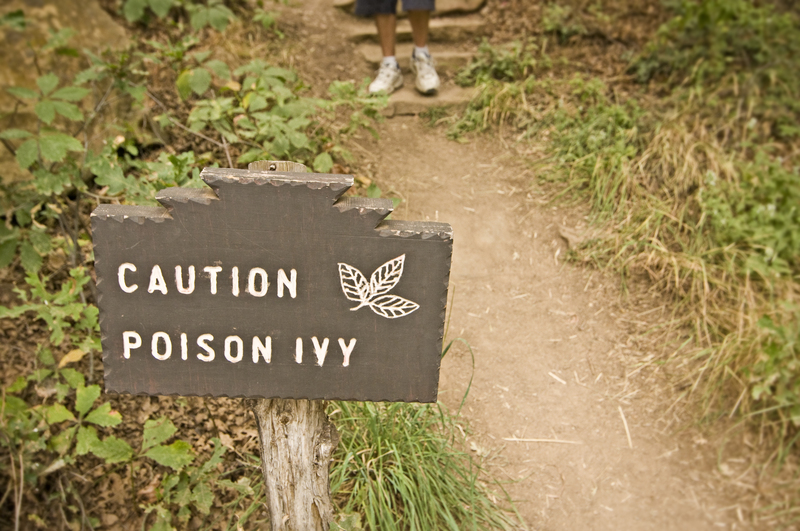
In some cases, invasive or deeply rooted perennial weeds (such as bindweed, thistles, or poison ivy) may require herbicides. Always use chemical controls sparingly and choose products with minimal environmental impact.
Tips for Safe and Effective Herbicide Use:
- Identify the weed: Choose the correct product suitable for your target species.
- Apply during optimal weather conditions, avoiding wind and rain to reduce drift and runoff.
- Follow package instructions for dilution, application, and safety precautions
- Consider targeted spot treatments rather than blanket spraying to minimize impact on non-target plants and beneficial insects
Flame Weeding and Boiling Water
For hardscape areas like patios, driveways, or pathways, non-chemical tools such as flame weeders or boiling water can provide effective weed management. Flame weeders briefly expose the plant to high heat, causing cell walls to burst and resulting in rapid death. Alternatively, a pot of boiling water poured directly onto unwanted plants achieves similar results without chemicals.
Additional Strategies for Ongoing Weed Management
- Maintain Clean Tools: Always remove soil and weed seeds from garden tools after use to avoid unintentionally spreading weeds.
- Compost with Caution: Avoid adding seeding weeds or persistent roots to your compost heap unless it reaches a high enough temperature to kill them.
- Water Strategically: Water at the base of your plants to support their growth without nourishing surrounding weed seeds.
- Stay Consistent: Consistency is the key to keeping your outdoor space weed-free. Make weed management part of your regular gardening routine.
Conclusion: Achieving Long-Term Weed Control in Your Outdoor Space
Effective weed control requires a balanced approach that combines prevention, smart cultural practices, and timely intervention. By implementing these three powerful tips--preventative measures, healthy planting strategies, and judicious mechanical or chemical controls--you will sustain a vibrant, weed-free outdoor space all season long.
Remember, regular monitoring and a proactive mindset go a long way in keeping weeds at bay. With a little upfront effort and ongoing attention, you'll enjoy a lush, welcoming garden that is the envy of your neighborhood. Start using these weed management strategies today and reclaim your outdoor sanctuary from unwanted invaders!
Frequently Asked Questions About Outdoor Weed Management
What are the best organic methods for weed control?
Organic weed management relies on preventive approaches like mulching, hand weeding, dense planting, and organic barriers. These methods avoid harsh chemicals, supporting a healthy ecosystem in your yard.
How can I stop weeds from growing back?
Preventative strategies are key: maintain a thick plant cover, mulch all exposed soil, promptly remove weeds before they go to seed, and avoid disturbing the soil unnecessarily, as this brings dormant seeds to the surface.
Are homemade weed killers effective?
Some DIY weed killers--such as solutions with vinegar or boiling water--can help control young weeds, especially in hardscape areas. However, they can harm surrounding plants and soil life, so use with caution.
When should I apply weed control treatments?
Early spring is the ideal time to start weed prevention methods, as many weed seeds germinate when soil temperatures rise. Keep up with regular maintenance through the growing season for best results.
Invest in ongoing weed management in your outdoor space and reap the rewards of a flourishing, beautiful garden for years to come!